The Psychological and Social Effects of Tarot: A Beginner‑Friendly, Research‑Focused Guide

Updated: Mar 26
Tarot cards are widely used today as tools for insight, exploration, and meaning‑making. While there is no scientific evidence that tarot can predict the future or causally influence events in the external world, engaging with tarot can have real effects on how people think, feel, and relate to others. In this article we break down what peer‑reviewed research and well‑established psychological findings can tell us about tarot’s role as a symbolic, interpretive tool rather than a scientifically validated predictive system.

What Tarot Is, And What It Is Not
Before exploring the psychological and social effects, it’s important to be clear about what tarot can and cannot do:
No empirical evidence supports tarot as a future‑prediction system or as causally influencing real events. Interpretations arise from human meaning‑making, not demonstrable causal linkage between cards and future outcomes.
Tarot is best understood as a symbolic system that facilitates interpretation, reflection, and narrative generation. Its value lies in how a person uses it to think about their life, not in any mystical predictive power.
Psychological Reflection: Tarot as a Mirror for the Mind
A core way tarot can be meaningful is through externalizing internal thoughts and feelings into symbolic forms. This process works much like other reflective tools studied in psychology:
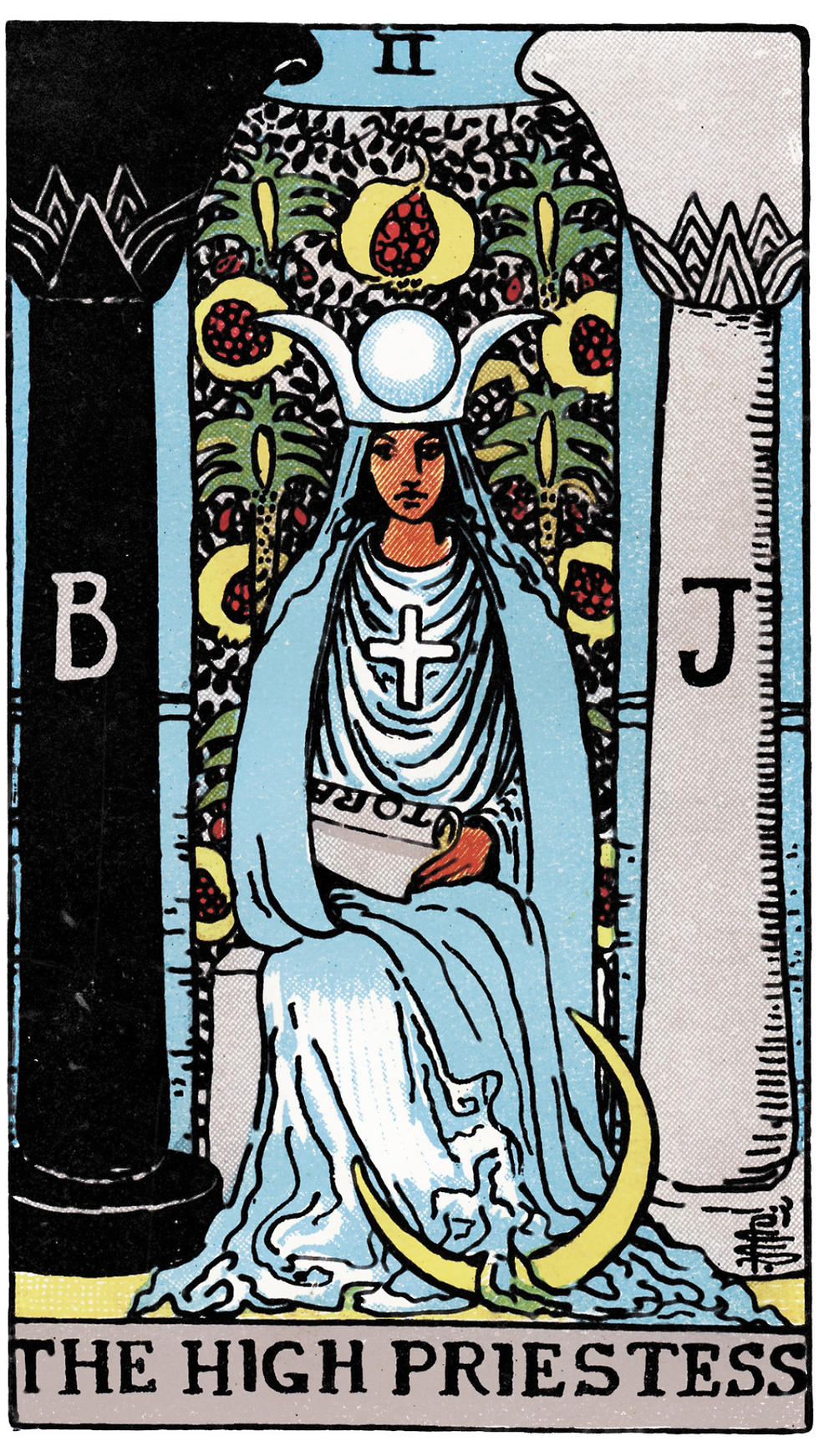
Symbolic and projective techniques (e.g., Rorschach inkblots) allow people to project internal material onto ambiguous stimuli, revealing themes important to the individual’s inner world. This mechanism is analogous to how people interpret tarot images through their own concerns and experiences.
A university thesis on tarot use found that regular users often employ tarot for self‑reflection, gaining insight into current situations and possible action plans rather than strict divination. Participants reported tarot provided comfort and perspective during difficult times.
Psychology research on expressive practices such as journaling shows that externalizing thoughts in written or visual form can improve emotional regulation, reduce stress, and clarify goals and feelings. Meta‑analyses indicate journaling interventions can lower anxiety and depressive symptoms and improve well‑being.
In these ways, tarot functions like other symbolic or narrative frameworks: it prompts introspection, helps clarify internal conflicts, and fosters deeper awareness of one’s priorities and emotional landscape.
Cognitive Biases: Why Some Tarot Interpretations Feel “True”?
Human cognition is shaped by predictable biases that affect how we take meaning from ambiguous signals like tarot cards. Among the most relevant is confirmation bias:
Confirmation bias refers to the tendency to interpret information in ways that confirm our existing beliefs or expectations. In tarot readings, people will naturally emphasize elements that resonate with their hopes, fears, and self‑views while downplaying contradictory aspects. This can create a strong sense of personal relevance even where no external predictive accuracy is present.
The Barnum effect shows that people tend to accept vague, general statements as personally meaningful. This psychological phenomenon helps explain why interpretations that could apply broadly still feel uniquely “accurate” to a querent.
Instead of revealing objective truth about future events, tarot interpretations often reflect how individuals selectively process symbolism through their subjective lens, shaped by cognitive biases and emotional priorities.
Therapeutic Effects: Symbol, Metaphor, and Meaning‑Making
Even though tarot isn’t scientifically predictive, engaging with metaphor and symbolism is not devoid of psychological value. Research on other symbolic practices points to mechanisms similar to those invoked in tarot use:
Expressive and narrative approaches like creative writing, guided imagery, and journaling are used in psychotherapy to help people externalize and organize internal experiences. Studies show these techniques can reduce stress, enhance emotional awareness, and support cognitive reframing of challenges.
The process of translating internal states into images, stories, or symbols — as happens with tarot spreads — aligns with therapeutic methods that facilitate insight, perspective‑taking, and emotional processing.
Imagery‑based practices supported by clinical research (e.g., guided imagery) have been shown to reduce anxiety and bolster attentional control, providing a nonverbal complement to other therapies.
Thus tarot, when used reflectively and without literal expectations, can resemble an informal narrative tool that helps individuals think more deeply about their situation, goals, and emotional patterns.
Social and Cultural Role: Rituals, Meaning, and Belonging
Tarot also has important social and cultural dimensions that are well documented in psychology and sociology:
Rituals and symbolic practices — whether in religious contexts, cultural traditions, or personal routines — serve to regulate emotions, foster group cohesion, and provide shared frameworks for meaning‑making. Research shows ritualized practices help people cope with stress, create predictability in uncertain times, and reinforce social bonds.
Group activities that involve shared symbolism and narrative, such as communal storytelling or collective interpretation of symbols, can produce feelings of belonging and emotional connection among participants. This aligns with broader psychological findings on belongingness as a fundamental human need.
Sociologists studying tarot note how its use and interpretation are situated in broader cultural contexts, where people draw on tarot as a form of personalized spirituality or symbolic dialogue rather than institutional doctrine.
In group or ritual settings (e.g., tarot circles, shared readings), tarot can create a structured space for discussion, emotional expression, and mutual support — which themselves have tangible psychological benefits.
Balanced Summary: Meaning Without Magic
Here’s how to understand tarot through a psychological and social lens grounded in research:
Tarot does not have scientific evidence supporting its ability to predict the future or influence real‑world events. Interpretations are derived from human meaning‑making, not empirical causation.
Tarot functions as a symbolic and interpretive tool. It externalizes thoughts and feelings, similar to other reflective practices studied in psychology.
Cognitive biases like confirmation bias and the Barnum effect help explain why tarot readings can feel personally meaningful even in the absence of objective predictive power.
Engaging with tarot imagery and narratives can have therapeutic and reflective benefits, akin to journaling, guided imagery, or narrative mapping, supporting emotional processing and insight.
Tarot’s ritual and social components provide psychological and social value by structuring shared meaning‑making, fostering group cohesion, and helping individuals navigate uncertainty and emotion.
When approached with clear expectations and an understanding of its psychological roots, tarot can be a useful reflective tool for organizing thoughts, confronting emotions, and gaining deeper personal insight — without needing to assert supernatural predictive claims.
Join the Tarot Circle Workshop
If you feel curious about tarot or want to explore it in a deeper and more meaningful way, you are welcome to join The Tarot Circle Workshop.
The Tarot Circle is a relaxed and supportive space where we explore tarot beyond surface-level interpretations. Instead of simply memorizing meanings, we focus on learning how to read the cards with clarity, intuition, and understanding.
During the workshop, we explore:
How to interpret tarot with confidence
The symbolism and visual language within the cards
Practical reading techniques
How tarot can support reflection, insight, and self-awareness
The Tarot Circle is open to both beginners and experienced readers who want to deepen their relationship with tarot in a thoughtful and grounded way. ✨ If you would like to explore tarot in a more interactive and supportive environment, you are welcome to join the next Tarot Circle workshop.


Comments